
Fresno Chaffee Zoo Celebrates Birth of Southern White Rhino Calf
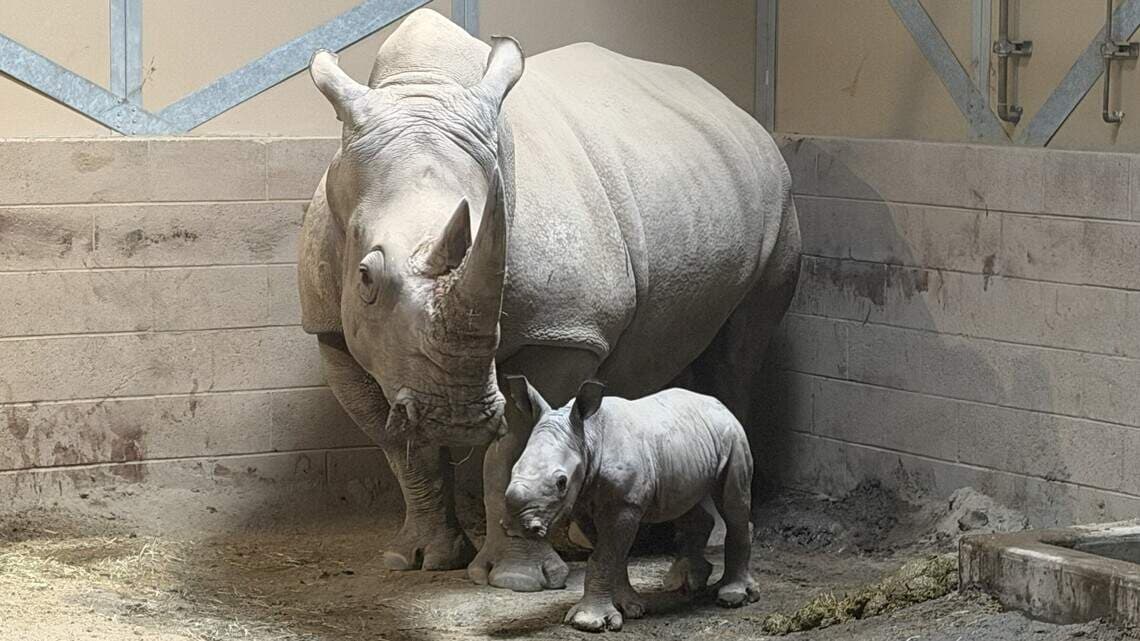
Fresno Chaffee Zoo is celebrating the birth of a southern white rhino calf, the fifth for parents Kayla and Tim. The birth comes shortly after the loss of Baba, a beloved giraffe, highlighting the zoo's ongoing commitment to conservation.
The Fresno Chaffee Zoo, a cornerstone of wildlife conservation in California's Central Valley, is rejoicing over the birth of a southern white rhino calf, a significant addition to its family of animals.
Born on November 28, 2025, to parents Kayla and Tim, this birth marks the fifth offspring for the rhino pair since their arrival at the zoo in 2015. The birth was announced through a heartfelt video shared on the zoo’s social media platforms, capturing the excitement and joy of the staff and community. Nicole Presley, the General Curator at Fresno Chaffee Zoo, expressed her delight in a statement: “We are thrilled to welcome another rhino calf. Both mom and calf are resting and bonding behind the scenes.”
This behind-the-scenes bonding period is crucial for the mother and calf to establish a strong relationship before debuting on the zoo’s savanna African Adventure. Kayla and Tim, the rhino duo, made their way to Fresno as part of the grand opening of the African Adventure exhibit. Kayla hails from Disney’s Animal Kingdom in Orlando, while Tim came from Busch Gardens in Tampa Bay.
Their successful breeding at Fresno is a testament to the zoo's effective conservation and animal care practices. The couple's prolific breeding has been a highlight of the zoo's conservation efforts, contributing positively to the population of southern white rhinos, which are considered near threatened. In the wild, southern white rhinos face numerous challenges, primarily due to poaching and habitat loss.
According to the International Union for Conservation of Nature (IUCN), they are categorized as near threatened, emphasizing the importance of successful breeding programs in captivity. Fresno Chaffee Zoo's efforts mirror those of other successful programs, such as the San Diego Zoo Safari Park, which has seen over 100 calves born in its care. The birth of the new calf is particularly poignant following the recent loss of Baba, a beloved reticulated giraffe at the zoo. Baba, who passed away at the age of 31, was one of the oldest giraffes in the United States, having lived a full decade beyond the typical life expectancy for a female giraffe. Her passing was a moment of grief for the zoo community, highlighting both the joys and challenges of animal care.
Dr. Audrey Siegrist, Senior Director of Veterinary Services at the zoo, noted, “In the last few days, it became clear that her arthritis had progressed to the point that we could no longer prevent further pain. We made the difficult but compassionate decision to humanely euthanize Baba while she was surrounded by her herd and caregivers. We will miss her tremendously.” As the zoo mourns Baba's loss, the birth of the rhino calf offers a symbol of hope and continuity.
The zoo has not yet decided on a name for the new calf, a process that has previously involved public participation. This time, however, the task may fall to the rhino’s animal welfare team, with announcements expected to be made on the zoo’s social media. For the residents of Fresno and the broader Central Valley community, the birth of this rhino calf is more than just a new attraction at the zoo; it is a reminder of the vital role that local institutions play in global conservation efforts.
The Fresno Chaffee Zoo continues to be a beacon of education and wildlife preservation, offering residents and visitors alike the chance to engage with and learn about species from around the world. The zoo’s commitment to the care and breeding of endangered species like the southern white rhino not only enhances its own exhibits but contributes to the broader efforts of conservationists worldwide. As these efforts continue, the birth of each new calf represents a step forward in the fight against extinction, offering hope for the future of these majestic creatures.
As we welcome this new life, residents of the Central Valley can take pride in the zoo’s accomplishments and continue to support its vital mission.